

Working hours:
Monday to Friday - 9.30 to 6.00 Saturday - 9.30 to 4.00
Strawberry Exosomes: Nano-Scale Messengers from Nature
Strawberry exosomes are naturally occurring, nano-sized extracellular vesicles released by strawberry (Fragaria ananassa) cells. These lipid-bilayer enclosed particles serve as sophisticated communication vehicles, carrying a rich biological cargo including proteins, lipids, metabolites, and various nucleic acids like microRNAs (miRNAs) from their plant source.
Their natural composition provides exceptional biocompatibility and stability. The protective lipid membrane helps them withstand harsh conditions, including the digestive environment, making them effective for oral delivery of their bioactive components to target cells in the body.
Emerging research into strawberry exosomes reveals several promising application areas:
Skincare and Cosmetic Applications:This is a primary area of interest. Strawberry exosomes are rich in antioxidant compounds, such as ellagic acid and flavonoids, derived from the fruit. They help protect skin cells from oxidative stress caused by UV radiation and environmental pollutants. Their anti-inflammatory properties can soothe irritated skin, while their bioactive components may promote skin hydration and vitality, supporting a healthy, youthful complexion.
Gut Health and Anti-Inflammation:Similar to other plant exosomes, they show potential in modulating gut health. Early studies suggest they can interact with the gut microbiota and intestinal lining, potentially helping to reduce local inflammation and support the integrity of the gut barrier, which is crucial for overall digestive wellness.
Nutraceutical and Functional Food Ingredient:Their high content of natural antioxidants and anti-inflammatory agents makes them a compelling ingredient for advanced nutraceuticals. They could be developed into supplements designed to provide systemic antioxidant support, combating oxidative stress at the cellular level.
Novel Drug Delivery System:Due to their plant origin, biocompatibility, and stability, strawberry exosomes are excellent candidates for use as natural nanocarriers. They can be engineered to encapsulate and deliver therapeutic drugs, such as anti-inflammatory agents or antioxidants, to specific tissues in a targeted and efficient manner.
In summary, strawberry exosomes represent a promising and versatile natural nanomaterial. Their most immediate potential lies in the cosmetic industry for skin health, followed by applications in nutraceuticals for their systemic antioxidant benefits and in advanced drug delivery systems as safe and effective carriers.
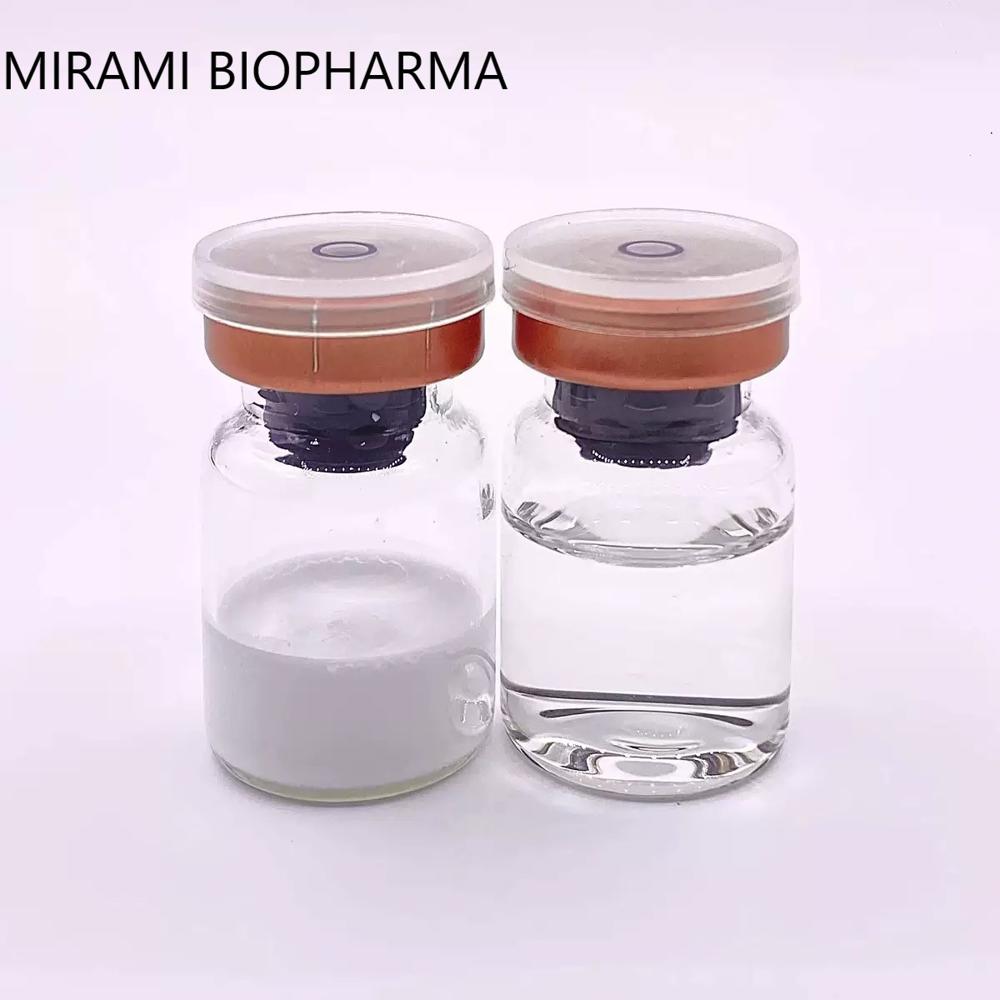

Price:
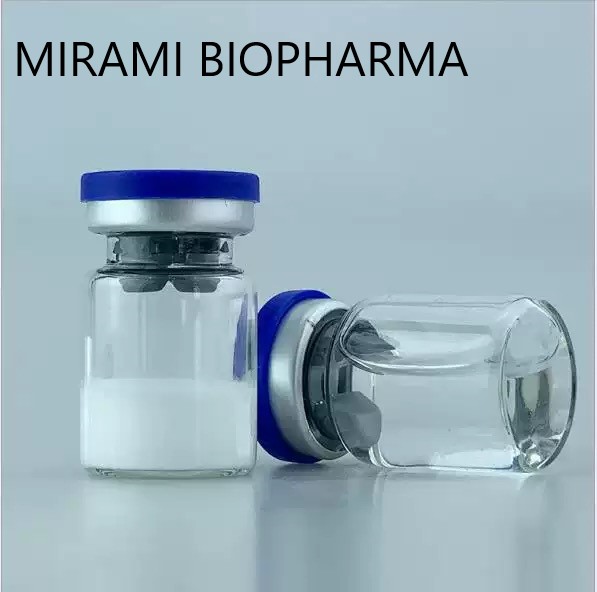
Price 2286.0 USD ($) / Kilograms
Minimum Order Quantity : 1 Kilograms
Ingredients : Centella asiatica (Gotu Kola) liquid concentration : 1 x 10^11 particles/mL
Physical Form : Liquid
Quantity : 1 Boxes
Suitable For : Adults
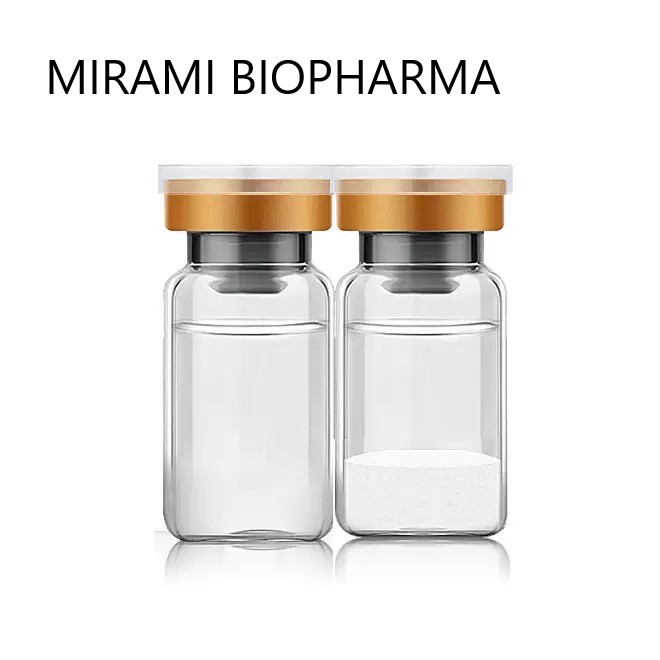
Price 2286.0 USD ($) / Kilograms
Minimum Order Quantity : 1 Kilograms
Ingredients : plant liquid concentration : 1 x 10^11 particles/m
Physical Form : Liquid
Quantity : 1 Unit
Suitable For : Adults
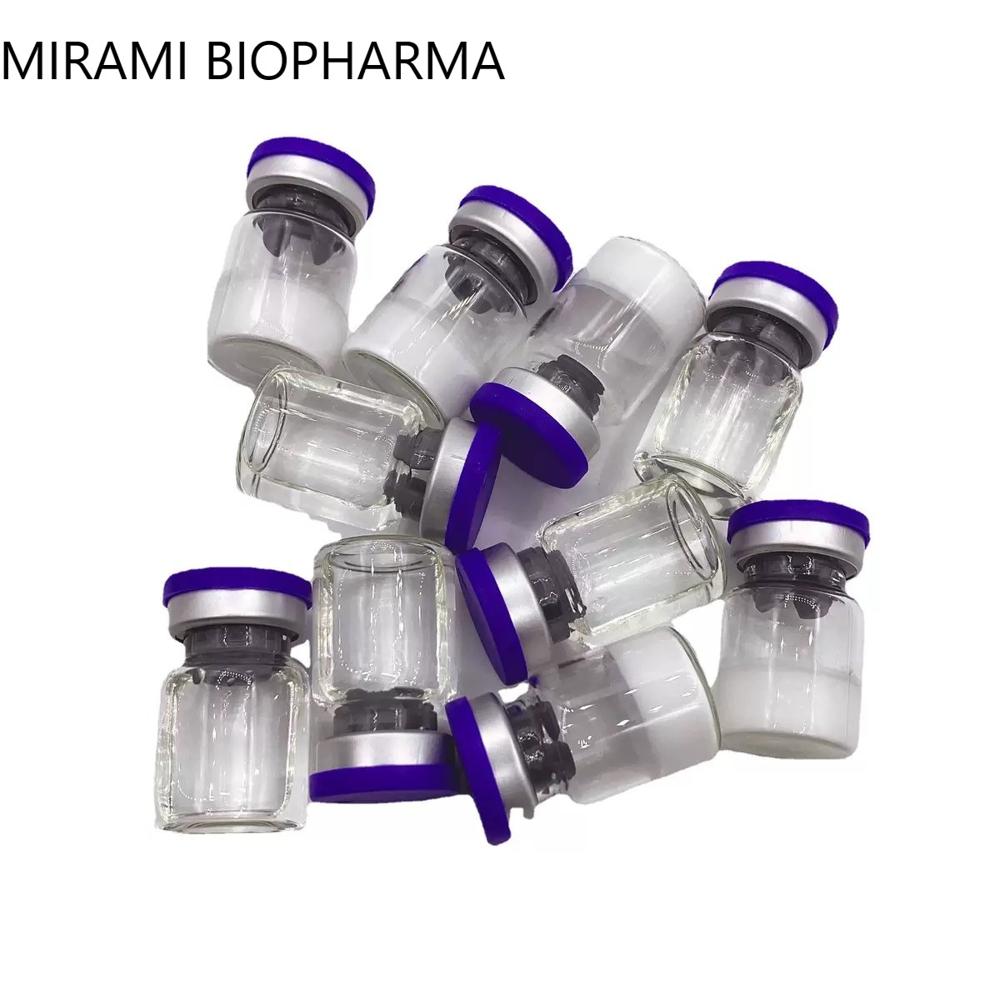
Price 2286.0 USD ($) / Piece
Minimum Order Quantity : 1 Piece
Ingredients : Ginseng Exosomes liquid
Physical Form : Liquid
Quantity : 1 Unit
Suitable For : Adults
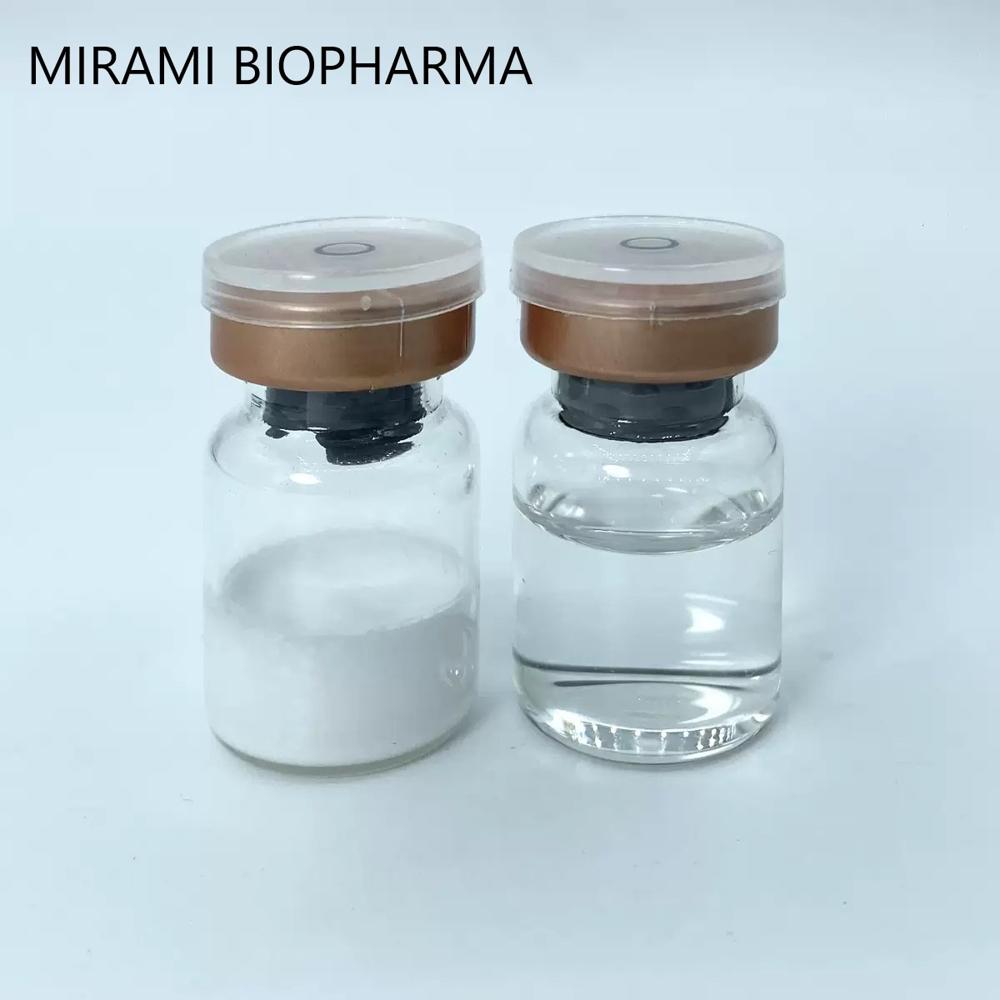
Price 2286.0 USD ($) / Kilograms
Minimum Order Quantity : 1 Kilograms
Ingredients : Lemon liquid concentration : 1 x 10^11 particles/mL
Physical Form : Liquid
Quantity : 1 Unit
Suitable For : Adults






 Send Inquiry

 Send Inquiry