About Ethyl Ascorbic Acid
What isO-Ethyl Ascorbic Acid ?
The industrial synthesis ofO-Ethyl Ascorbic Acidis a precise chemical process designed to modify the highly reactive and water-soluble L-ascorbic acid (Vitamin C) into a stable, oil-soluble derivative.
The core process ischemical etherification. It typically involves reacting L-ascorbic acid withethyl halides(such as ethyl chloride or ethyl iodide) or other ethylating agents in a controlled environment. This reaction is performed in the presence of astrong base(e.g., sodium hydroxide or potassium hydroxide) and often within anorganic solventmedium. The base deprotonates the hydroxyl (-OH) group at the 3rd position of the ascorbic acid ring, creating a nucleophilic alkoxide ion. This ion then attacks the ethylating agent, forming the stable ether bond (C-O-C) that characterizes 3-O-ethyl ascorbic acid.
Key process steps include:
-
Reaction & Temperature Control:The reaction is conducted under anhydrous conditions and specific temperature control to maximize yield at the desired 3-O- position and minimize by-products.
-
Purification:Post-reaction, the crude product undergoes extensive purification through techniques likecrystallization, washing, and chromatographyto remove unreacted starting materials, salts, and solvents, achieving high purity (>98%).
-
Drying & Analysis:The final crystalline powder is carefully dried and analyzed viaHPLC and NMRto confirm chemical structure, isomeric purity, and meet cosmetic-grade specifications.
This synthesis successfully blocks the most unstable hydroxyl group of Vitamin C, resulting in a molecule with superior oxidative stability and lipid solubility for advanced skincare formulation
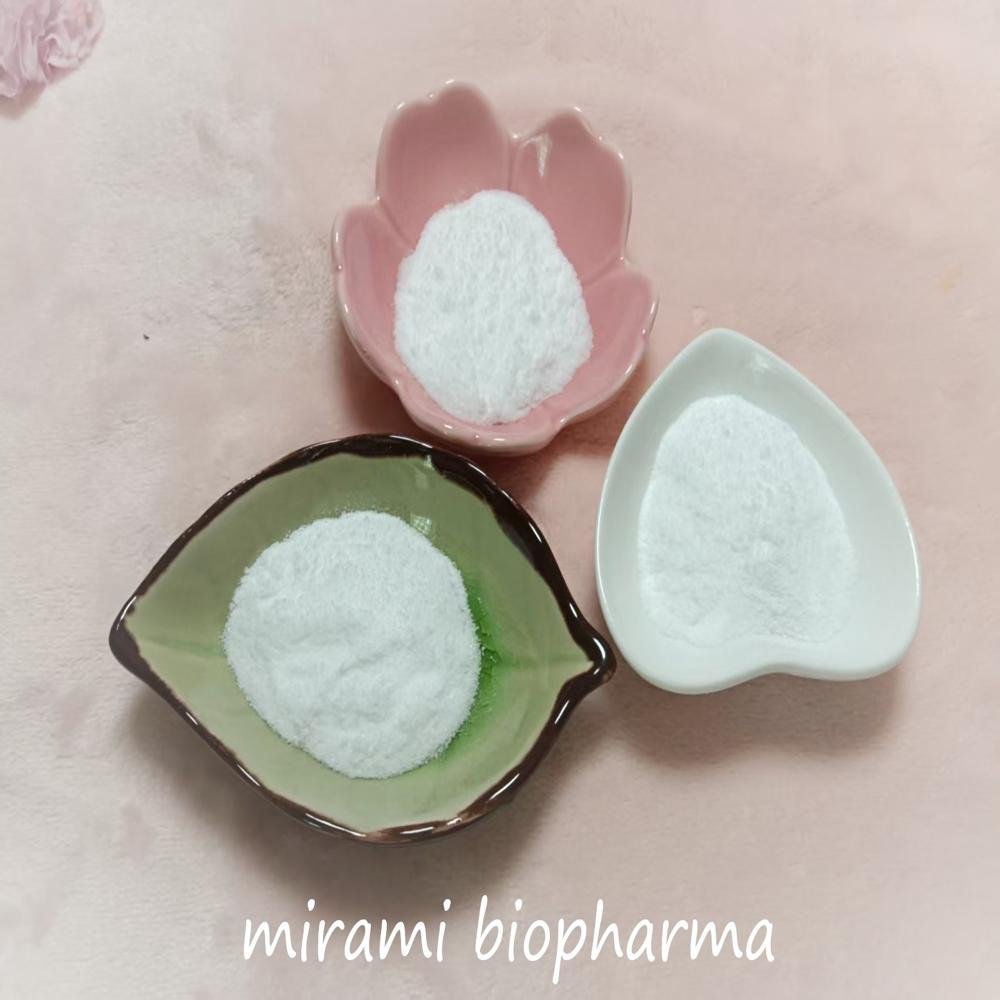
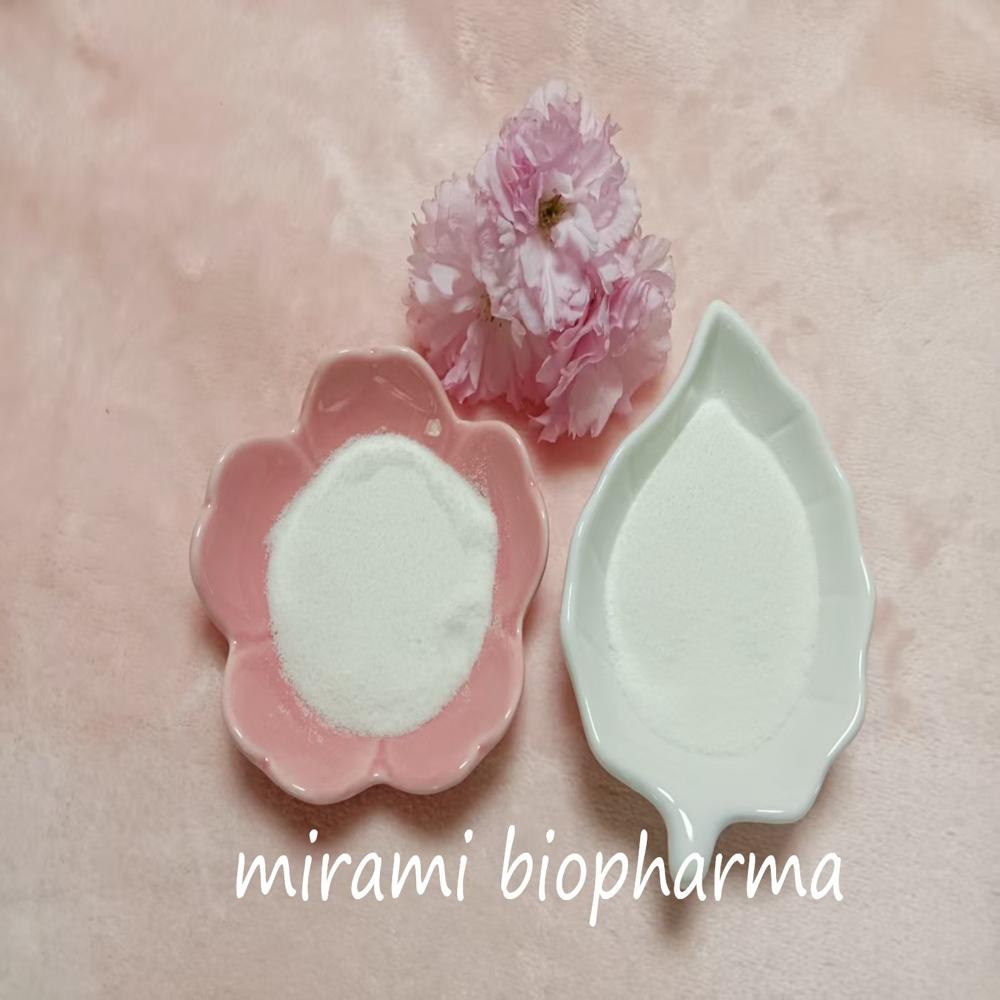
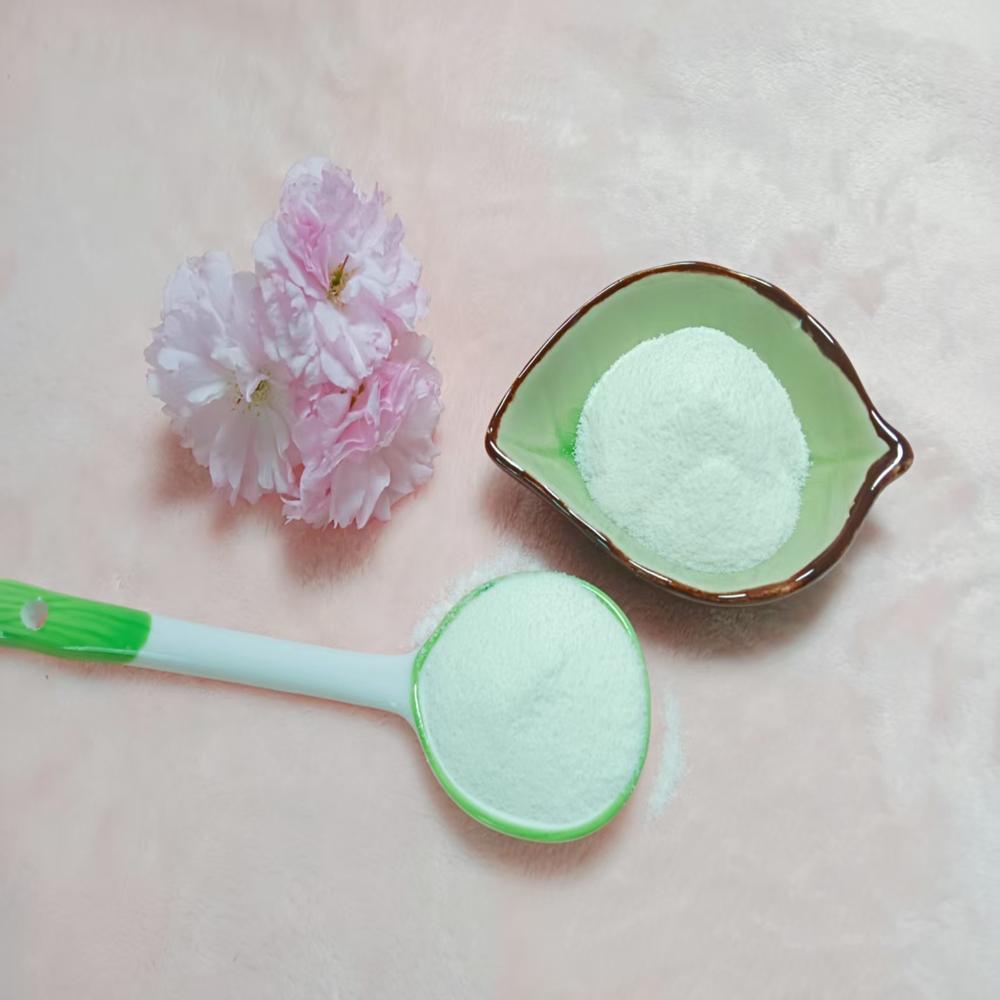
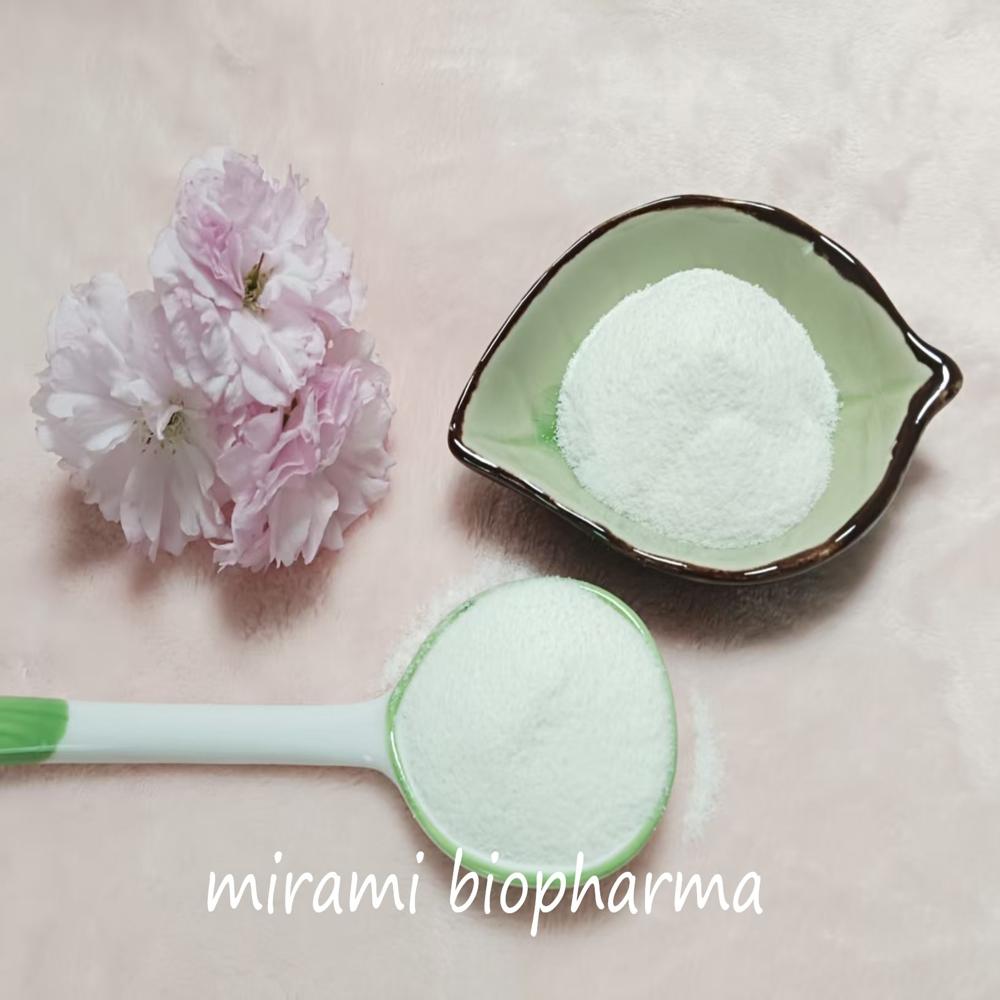
Advanced Stability and PerformanceO-Ethyl Ascorbic Acid provides superior stability over traditional vitamin C, making it suitable for various cosmetic applications. Its powder form allows easy integration into finished products while retaining its efficacy in skin brightening and anti-aging treatments.
Versatile Applications for Skincare FormulationsEthyl Ascorbic Acid is ideal for inclusion in creams, serums, and other cosmetics aimed at brightening and rejuvenating skin. Both women and aged individuals can benefit from its antioxidant activity, supporting a healthy, radiant appearance.
Safe Handling and Storage GuidelinesTo preserve its potency and longevity, Ethyl Ascorbic Acid powder should be kept in a dry place. Manufacturers, suppliers, and traders across India prioritize proper packaging and swift distribution to ensure product integrity during transit and storage.
FAQ's of Ethyl Ascorbic Acid:
Q: How is Ethyl Ascorbic Acid typically used in cosmetic products?
A: Ethyl Ascorbic Acid is incorporated into finished cosmetic products like face serums, moisturizers, and creams. Its stable, powdered form dissolves easily in formulations, making it well-suited for topical applications targeting brightening and anti-aging.
Q: What are the main benefits of using O-Ethyl Ascorbic Acid in skincare?
A: O-Ethyl Ascorbic Acid is prized for promoting a more even complexion, reducing signs of aging, and providing antioxidant protection. It is especially effective in enhancing skin radiance and minimizing pigmentation.
Q: When should cosmetic products containing Ethyl Ascorbic Acid be applied?
A: For optimal results, products with Ethyl Ascorbic Acid are generally used during morning and evening skincare routines. Consistent application enhances the active ingredient's skin-brightening and protective effects.
Q: Where can I purchase Ethyl Ascorbic Acid in India?
A: Ethyl Ascorbic Acid is widely available through reputable distributors, exporters, manufacturers, suppliers, and traders in India. It is commonly packaged in 1 box quantities for cosmetic industry use.
Q: What is the recommended process for storing Ethyl Ascorbic Acid powder?
A: To maintain the quality of Ethyl Ascorbic Acid, store the powder in a completely dry place, away from moisture and direct sunlight. Proper storage helps preserve its effectiveness and shelf life.
Q: Who is Ethyl Ascorbic Acid suitable for in cosmetic uses?
A: Ethyl Ascorbic Acid is appropriate for women and aged individuals looking to brighten their complexion, even skin tone, and protect against environmental damage.










 Send Inquiry

 Send Inquiry