

Working hours:
Monday to Friday - 9.30 to 6.00 Saturday - 9.30 to 4.00
|
Item |
SPECIFICATION |
RESULT |
TEST METHOD |
|
Appearance |
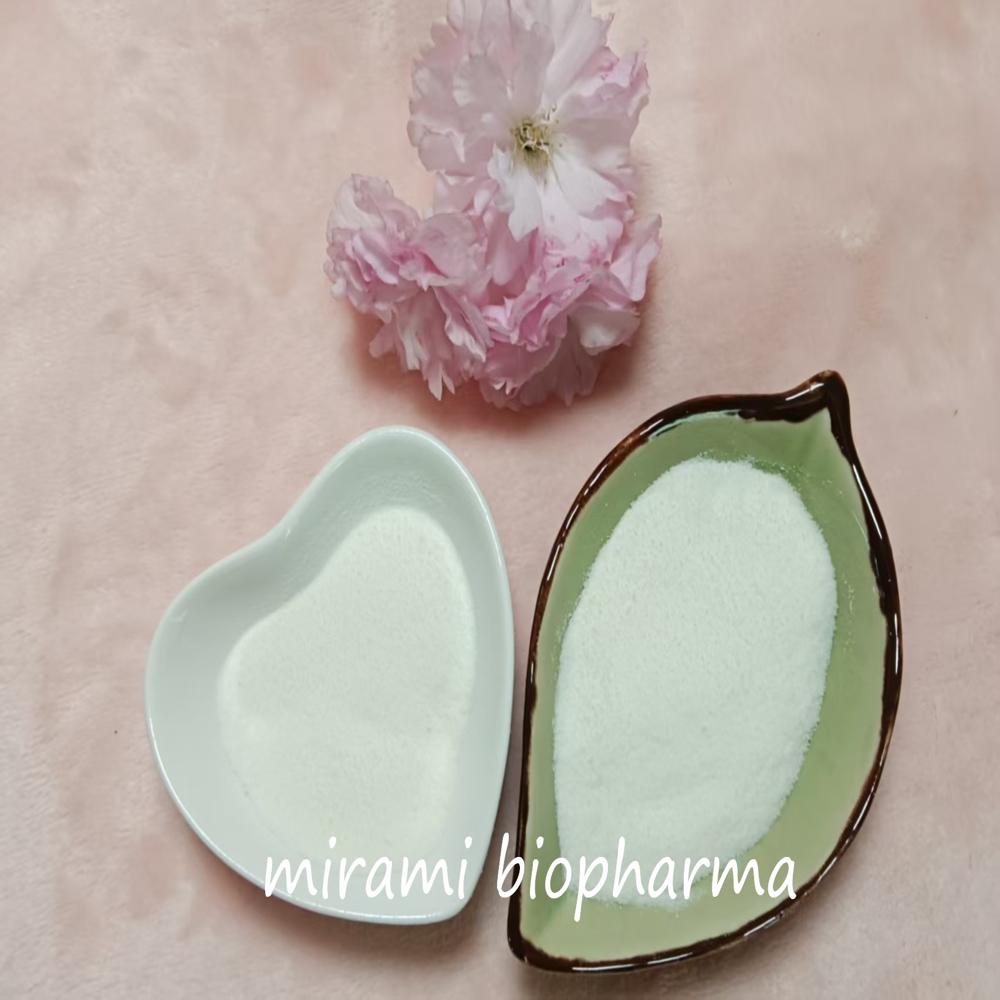
White or light yellow crystalline powder |
Complies |
Visual |
|
Identification (FTIR/HPLC) |
Complies with reference standard |
Complies |
USP/Ph.Eur. |
|
Assay (on dried basis) |
99.0% - 101.0% |
99.8% |
HPLC (USP <621>) |
|
pH (10% aqueous solution) |
2.0 - 3.0 |
2.4 |
USP <791> |
|
Loss on Drying |
0.4% |
0.15% |
USP <731> |
|
Residue on Ignition |
0.1% |
0.05% |
USP <281> |
|
Heavy Metals (as Pb) |
10 ppm |
< 5 ppm |
ICP-MS (USP <232>) |
|
Lead (Pb) |
3 ppm |
< 1 ppm |
ICP-MS |
|
Arsenic (As) |
3 ppm |
< 1 ppm |
ICP-MS |
|
Oxalic Acid |
0.3% |
0.08% |
HPLC |
|
Specific Optical Rotation |
+20.5 to +21.5 |
+21.0 |
USP <781> |
|
Total Plate Count |
1000 CFU/g |
120 CFU/g |
USP <61> |
|
Yeast & Mold |
100 CFU/g |
< 10 CFU/g |
USP <61> |
|
E. coli |
Absent |
Absent |
USP <62> |
|
Salmonella spp.&Staphylococcus aureus |
Absent |
Absent |
USP <62> |

Price:
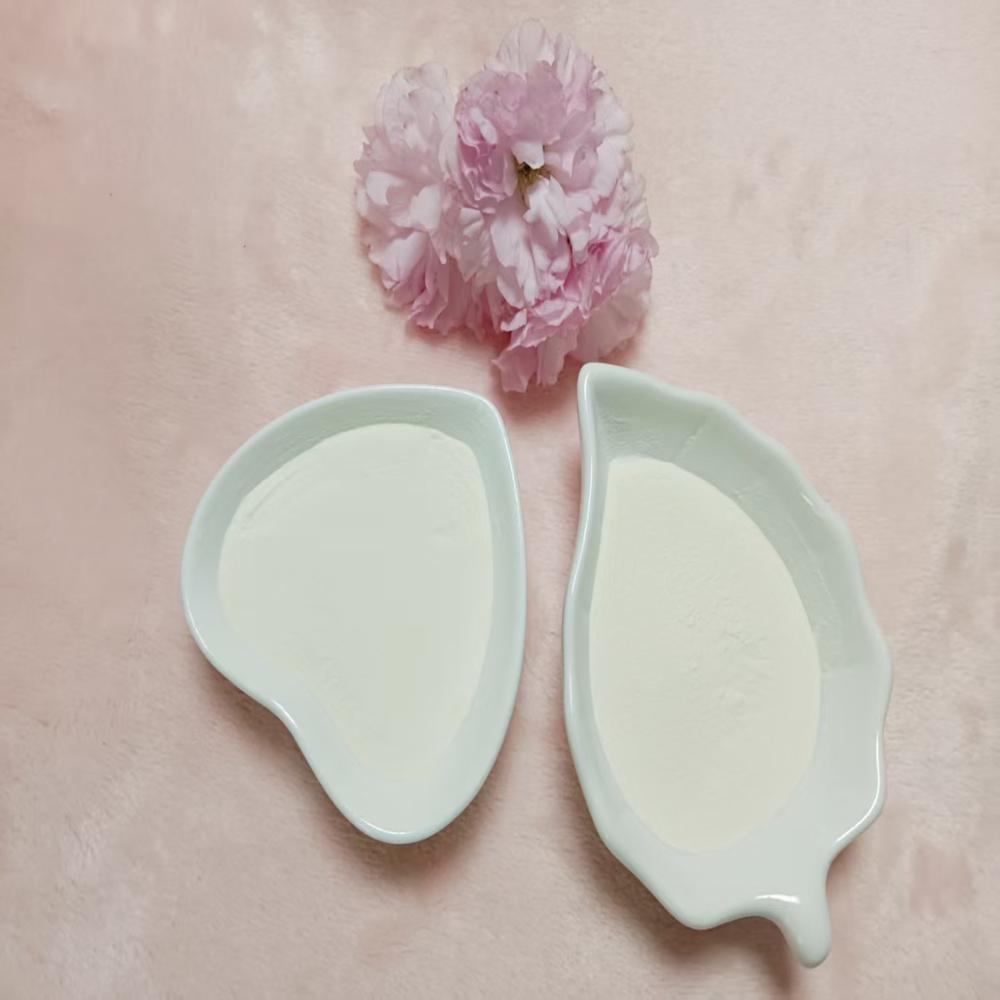
Price 3.5 USD ($) / Kilograms
Minimum Order Quantity : 1000 Kilograms
Ingredients : Vitamin C
Quantity : 40 Boxes
Recommended For : All
Suitable For : Suitable For All
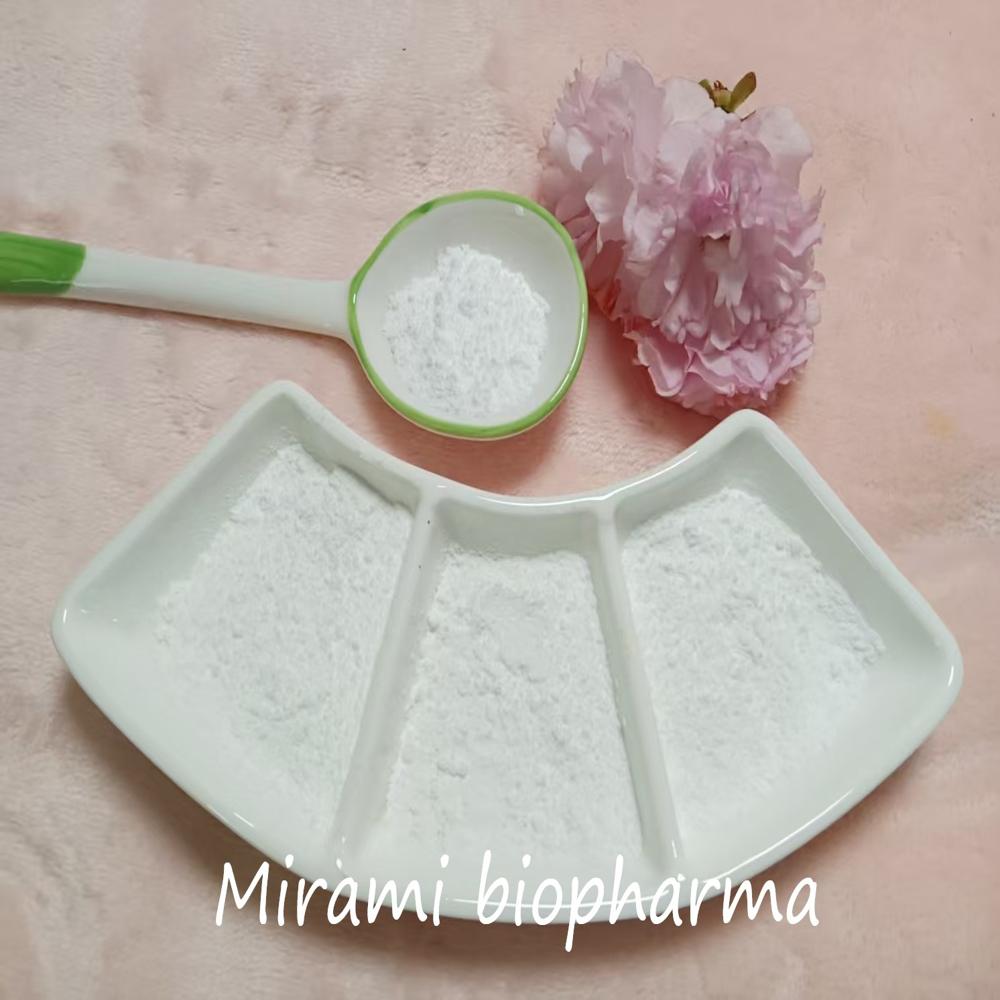
Price 8.0 USD ($) / kilograms
Minimum Order Quantity : 1000
Ingredients : Vitamin B3
Quantity : 4 Boxes
Recommended For : All
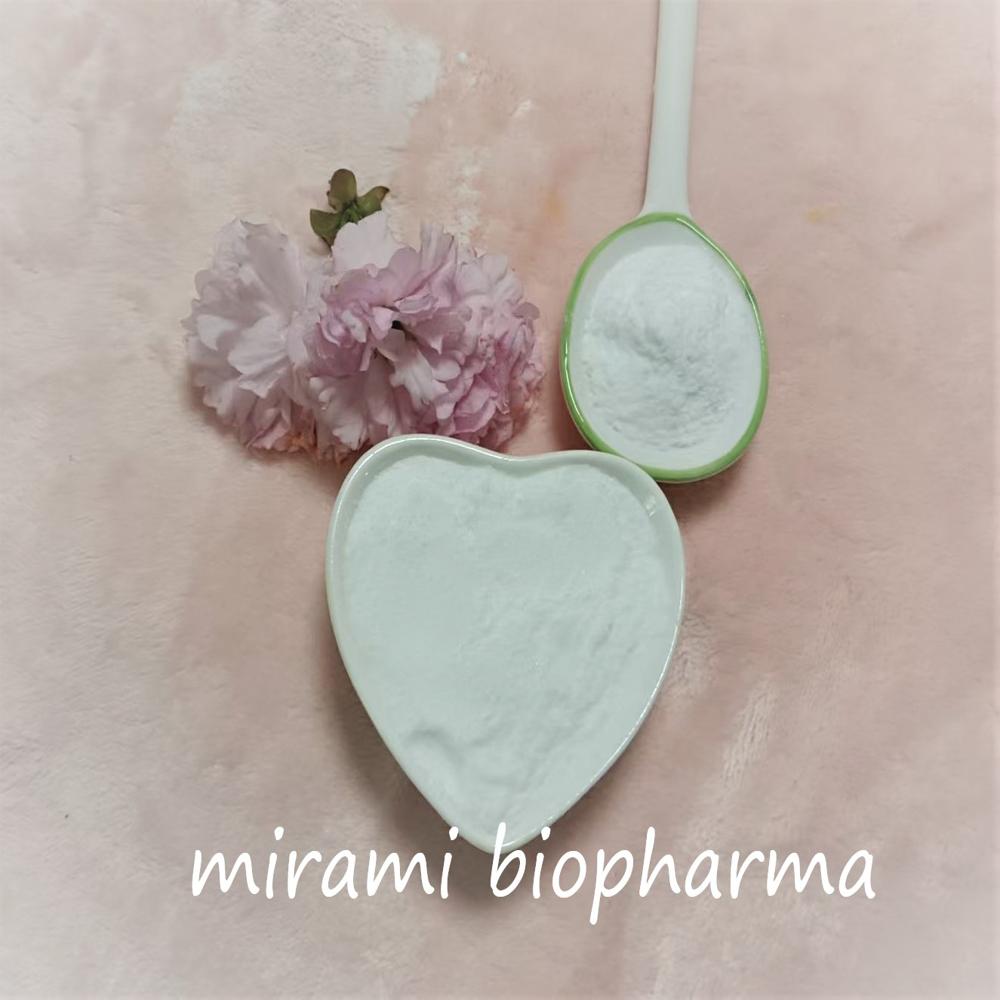
Price 25.0 USD ($) / Kilograms
Minimum Order Quantity : 25 Kilograms
Ingredients : vitamin B6
Quantity : 1 Boxes
Recommended For : health supplement
Suitable For : Aged Person
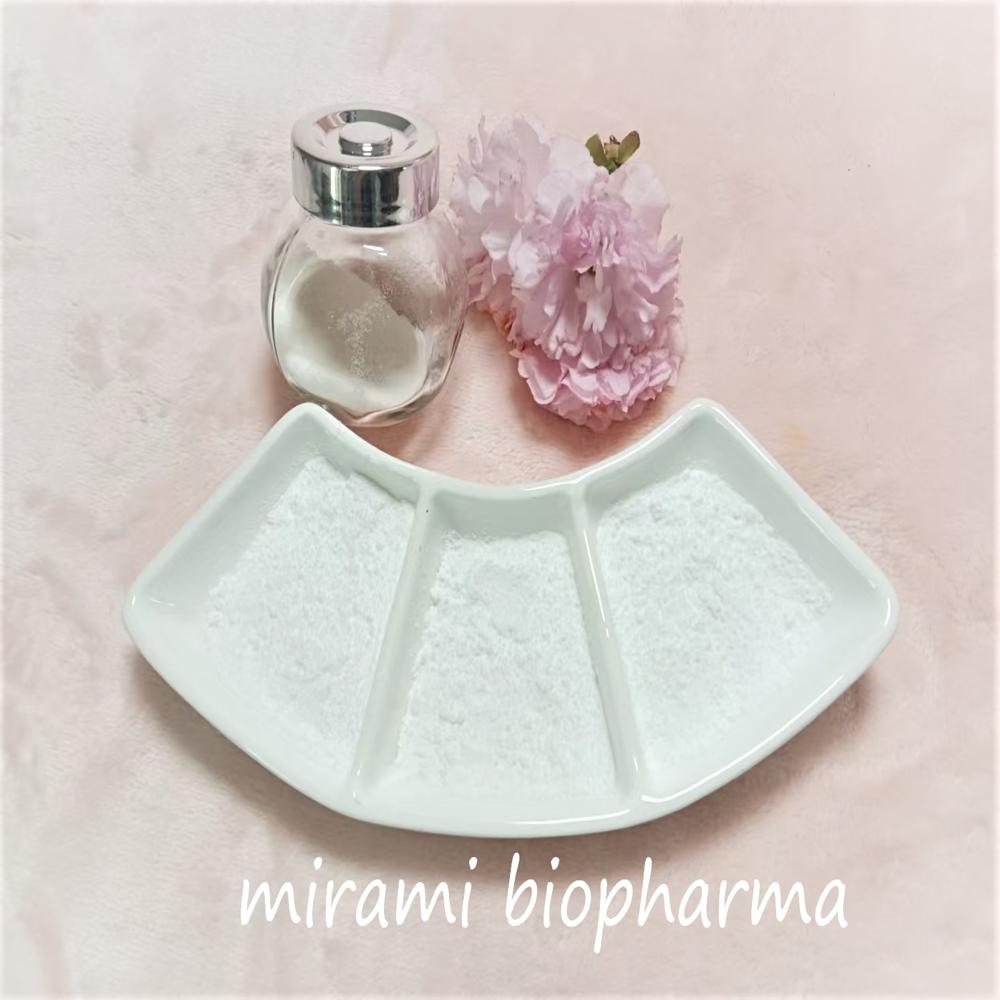
Price 45.0 USD ($) / Kilograms
Minimum Order Quantity : 25 Kilograms
Ingredients : Vitamin B1
Quantity : 4 Boxes
Recommended For : health supplement
Suitable For : Aged Person






 Send Inquiry

 Send Inquiry