About Nicotinic acid
Vitamin B3: Niacin - The Energy & Cell Communication Essential
is a water-soluble B-vitamin that exists in two main forms: nicotinic acid and nicotinamide (niacinamide).
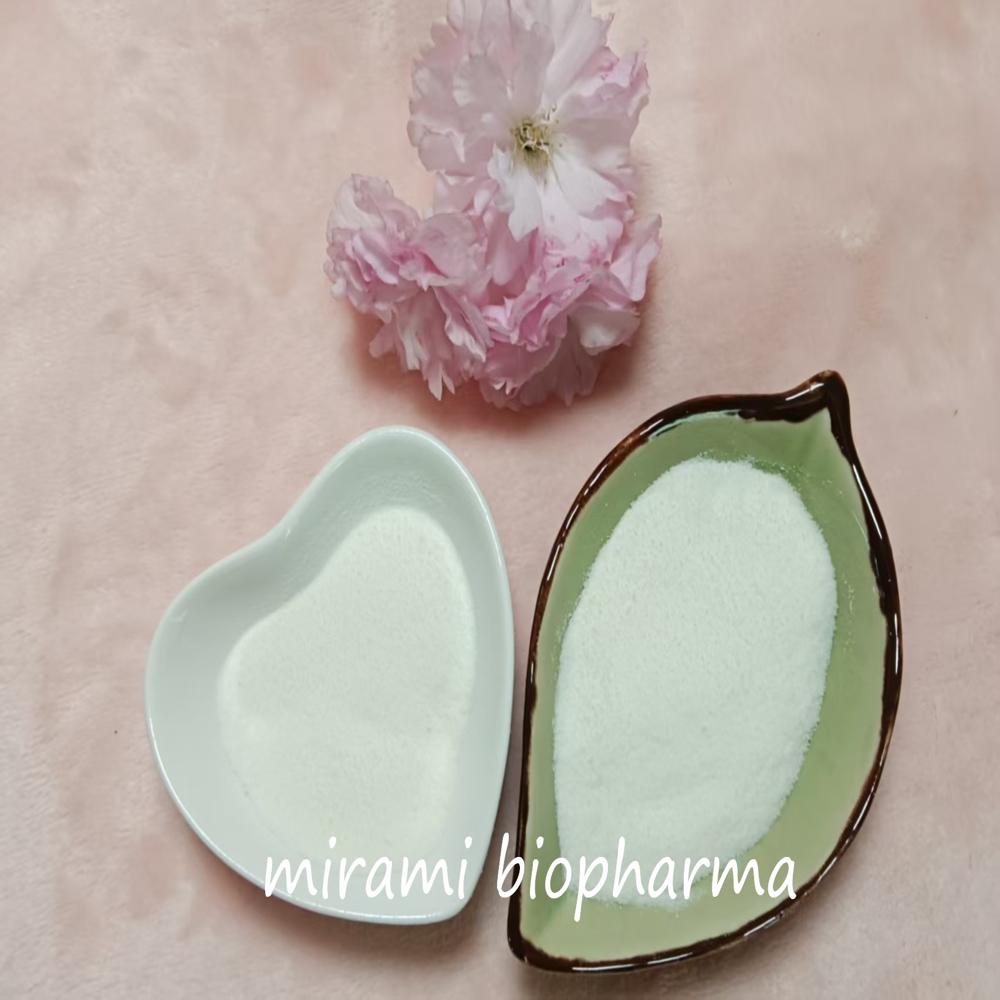
Vitamin B3's COA as below:
| Item |
Specification |
Result |
Test Method |
| Appearance |
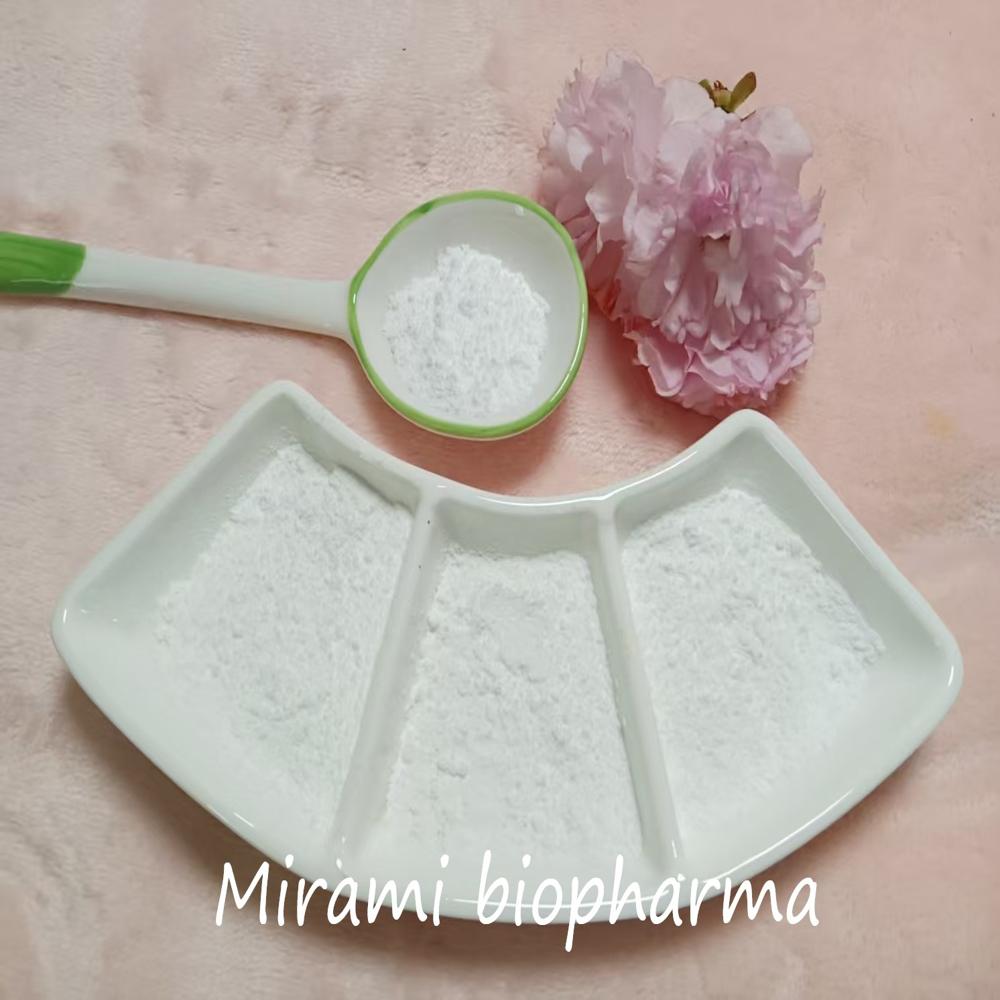
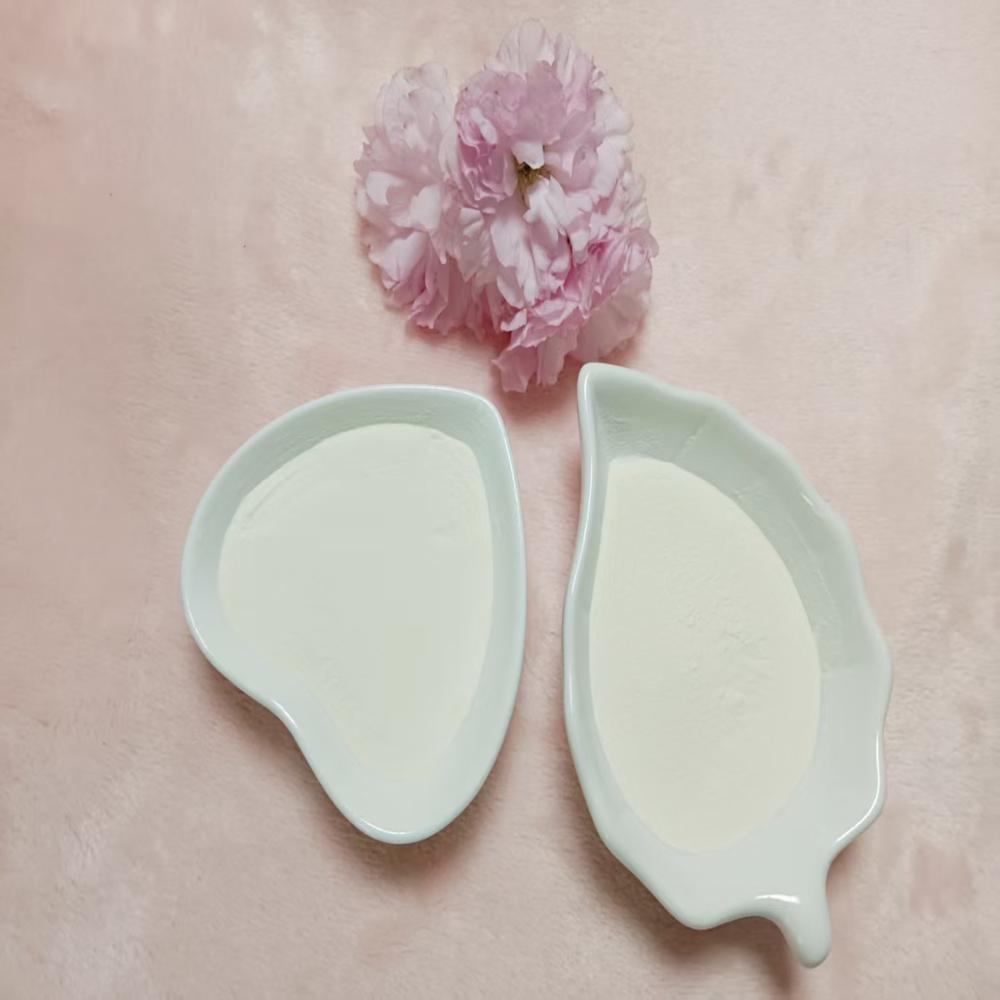
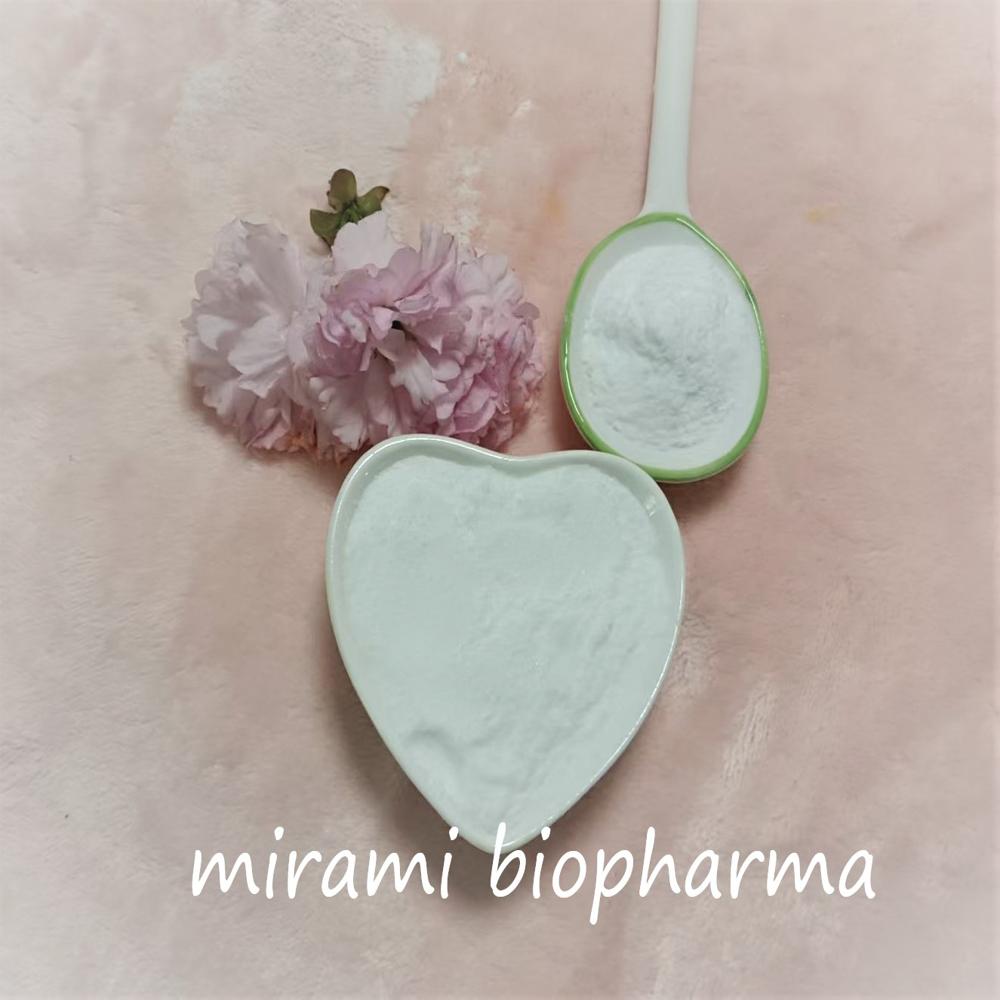
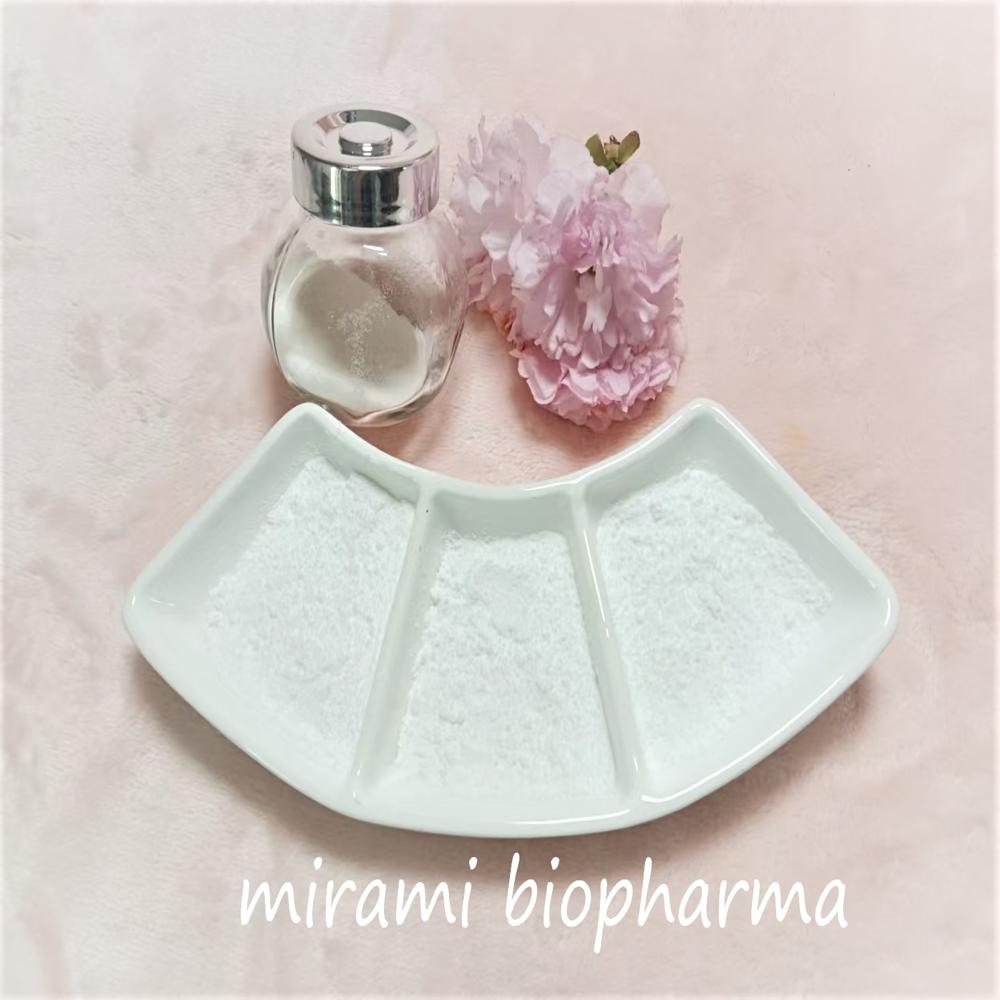
White or off-white crystalline powder |
Complies |
Visual |
| Identification (FTIR/HPLC) |
Conforms to reference standard |
Conforms |
USP <197> / USP <621> |
| Assay (on dried basis) |
99.0% - 101.0% |
99.70% |
HPLC (USP <621>) |
| Melting Range |
234C - 238C |
236.5C |
USP <741> |
| Loss on Drying |
0.5% |
0.12% |
USP <731>(105C, 2 hrs) |
| Residue on Ignition (Sulfated Ash) |
0.1% |
0.04% |
USP <281> |
| Heavy Metals (as Pb) |
10 ppm |
< 5 ppm |
(USP <232>) |
| Lead (Pb) |
3 ppm |
< 1 ppm |
ICP-MS |
| Arsenic (As) |
2 ppm |
< 0.5 ppm |
ICP-MS |
| Related Substances (HPLC) |
Total impurities 0.5% |
0.18% |
USP <621> |
| Individual unspecified impurity |
0.1% |
0.05% |
IN-HOUSE |
| pH (Saturated aqueous solution) |
3.0 - 4.0 |
3.5 |
USP <791> |
| Specific Rotation (if applicable) |
-0.10 to +0.10 |
+0.03 |
USP <781> |
| Total Aerobic Microbial Count |
1000 CFU/g |
80 CFU/g |
USP <61> |
| Total Yeast & Mold Count |
100 CFU/g |
< 10 CFU/g |
USP <61> |
| Escherichia coli |
Absent in 10 g |
Absent |
USP <62> |
| Salmonella spp. |
Absent in 25 g |
Absent |
USP <62> |
Packaging and Storage Information
-
Packaging: 25 kg per fiber drum with double polyethylene liner."
-
Storage Conditions: Preserve in well-closed, light-resistant containers, in a cool, dry place."
-
Shelf Life/Expiry Date: Validity period under recommended storage
Pure Vitamin B3 for Versatile ApplicationsThis Nicotinic acid powder provides a reliable source of Vitamin B3, extracted from high-quality vegetable origins. Its versatility makes it suitable for a variety of formulations and health needs. With packaging tailored to your specific quantity requirements, this product is ideal for diverse industries, including pharmaceutical, nutritional, and food sectors. Sourced and processed in China, quality assurance is central to our offering.
Quality Assurance and Hygienic PackagingOur production follows stringent quality control protocols. Each box is carefully packed under hygienic conditions to preserve purity and potency. We offer flexible order quantities to accommodate both small and large-scale requirements. To maintain product stability, store at ambient temperature in a dry environment. Trust our expertise as a distributor and exporter to deliver consistently high-standard products.
FAQ's of Nicotinic acid:
Q: How should Nicotinic acid powder be used for best results?
A: It is recommended to use Nicotinic acid powder according to the dosage guidelines provided by a healthcare professional. The usage may vary depending on your health objectives or formulation requirements.
Q: What are the benefits of including Nicotinic acid in formulations?
A: Nicotinic acid, or Vitamin B3, is vital for supporting energy metabolism, maintaining healthy skin, and assisting in the proper functioning of the nervous system. Its inclusion can enhance the nutritional profile of supplements or food products.
Q: When is the best time to order or use this Nicotinic acid product?
A: You can place your order at any time, as we maintain a consistent supply throughout the year. For usage, follow professional recommendations regarding timing based on specific health goals or product formulations.
Q: Where is Nicotinic acid sourced from, and how is it processed?
A: Our Nicotinic acid is derived from high-quality vegetable sources and manufactured in China. The production process follows strict quality controls to ensure both purity and safety for all applications.
Q: What is the process for packaging and quantity customization?
A: Packaging is flexible; each box can be filled according to your specific quantity requirements. Orders typically consist of 4 boxes, but the quantity per box is customizable to match your needs.
Q: How should Nicotinic acid powder be stored to maintain its quality?
A: To preserve the integrity of Nicotinic acid powder, store it in a dry area at ambient temperature. Avoid exposure to heat, moisture, or direct sunlight to ensure optimal shelf life.
Q: Is this product suitable for everyone?
A: Yes, this Nicotinic acid powder is recommended for all age groups. However, always adhere to dosage and usage guidelines as suggested by a qualified health professional.










 Send Inquiry

 Send Inquiry