

Working hours:
Monday to Friday - 9.30 to 6.00 Saturday - 9.30 to 4.00
| Parameter | Specification (e.g., USP/EP) | Test Result | Method (e.g., USP, HPLC) |
|---|---|---|---|
| Assay (Purity) | 98.0% - 102.0% | 99.5% | Titration or HPLC |
| Appearance | White or almost white, crystalline powder | Complies | Visual |
| Identification | Positive (IR, UV, TLC) | Complies | Spectroscopic/Chromatographic |
| Water (Loss on Drying) | 5.0% | 1.2% | Karl Fischer Titration |
| Residue on Ignition | 0.1% | 0.05% | Gravimetric |
| Heavy Metals | 20 ppm | < 10 ppm | ICP-MS or Limit Test |
| Related Substances | Individual impurity 0.5% | Complies | HPLC |
| Specific Rotation | -8.0 to -10.0 | -9.2 | Polarimetry |
Packaging: 25 kg per fiber drum with double polyethylene liner."
Storage Conditions: Preserve in well-closed, light-resistant containers, in a cool, dry place."
Shelf Life/Expiry Date: Validity period under recommended storage
Vitamin B1's primary role is to act as a coenzyme (thiamine pyrophosphate) in converting carbohydrates from food into usable cellular energy (ATP). It is also essential for proper nervous system function and supports heart health.
Excellent sources include:
Whole Grains & Fortified Foods: Brown rice, oatmeal, fortified breakfast cereals, whole wheat bread.
Legumes: Black beans, lentils, soybeans.
Nuts & Seeds: Sunflower seeds, flaxseeds.
Animal Sources: Pork (especially lean cuts), trout, tuna.
Yeast: Nutritional yeast is a potent source.
Deficiency can lead to:
Early/Mild: Fatigue, irritability, reduced reflexes, muscle weakness.
Severe: Beriberi (with "wet" form affecting the heart and "dry" form affecting nerves) and Wernicke-Korsakoff syndrome (a serious brain disorder often linked to chronic alcoholism, causing confusion, vision issues, and memory loss).
Individuals with Alcohol Use Disorder: Alcohol severely impairs thiamine absorption and storage.
People with Certain Medical Conditions: Those with Crohn's disease, anorexia, or who have undergone bariatric surgery.
Older Adults: Due to potentially poor diet and decreased absorption.
People with Diets High in Refined Carbs/Sugar: These increase the body's demand for B1 for metabolism.
Vitamin B1 is considered very safe with a low risk of toxicity. It is water-soluble, so excess amounts are typically excreted in urine. There is no established Tolerable Upper Intake Level (UL) because no adverse effects from high oral intakes have been reliably reported. However, extremely high doses from supplements are unnecessary and not recommended.
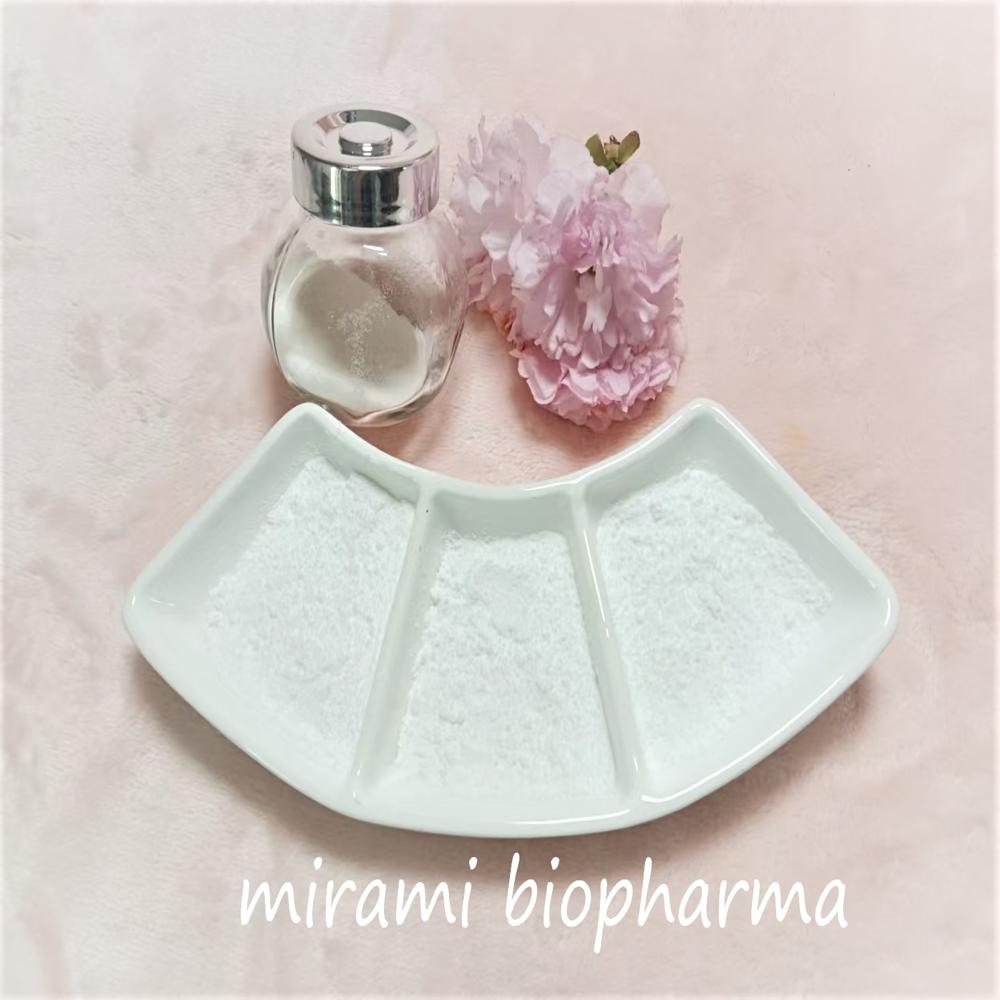

Price:

Price 3.5 USD ($) / Kilograms
Minimum Order Quantity : 1000 Kilograms
Ingredients : Vitamin C
Recommended For : All
Suitable For : Suitable For All
Pacakaging (Quantity Per Box) : Requirement based
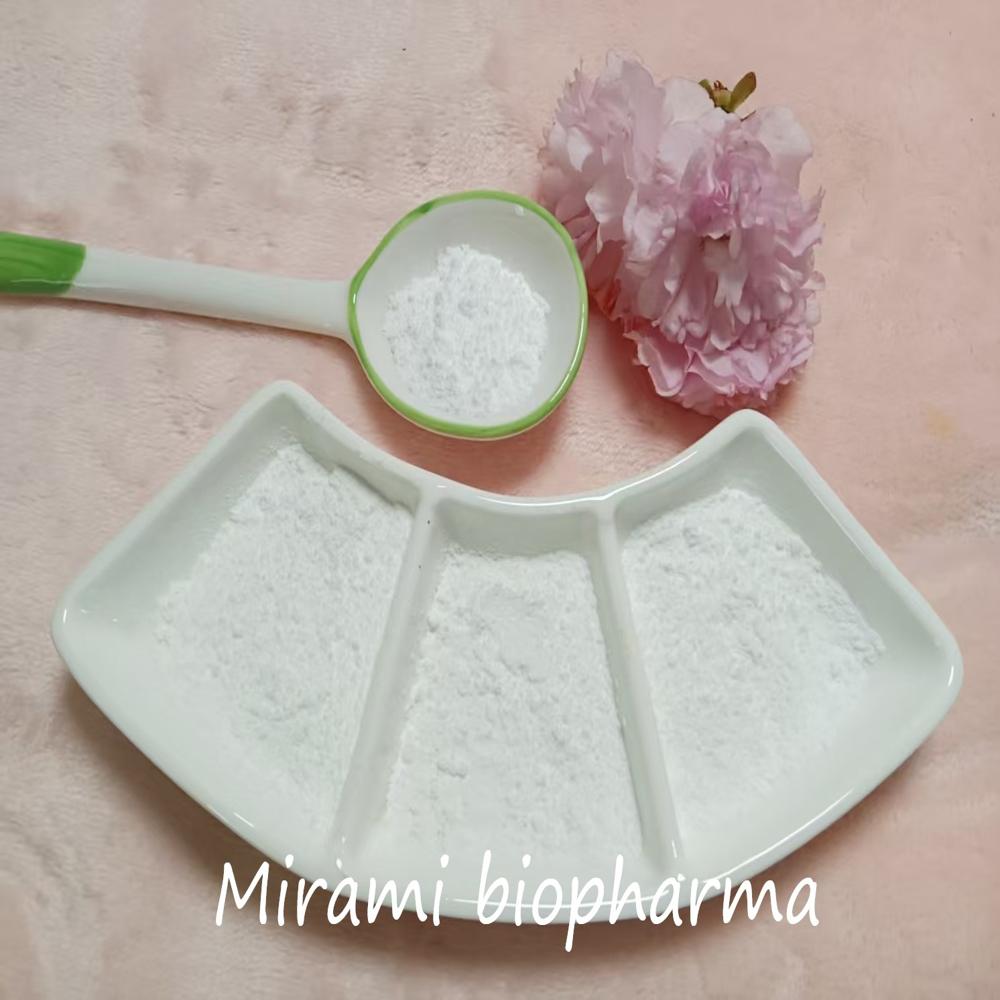
Price 8.0 USD ($) / kilograms
Minimum Order Quantity : 1000
Ingredients : Vitamin B3
Recommended For : All
Pacakaging (Quantity Per Box) : Requirement based
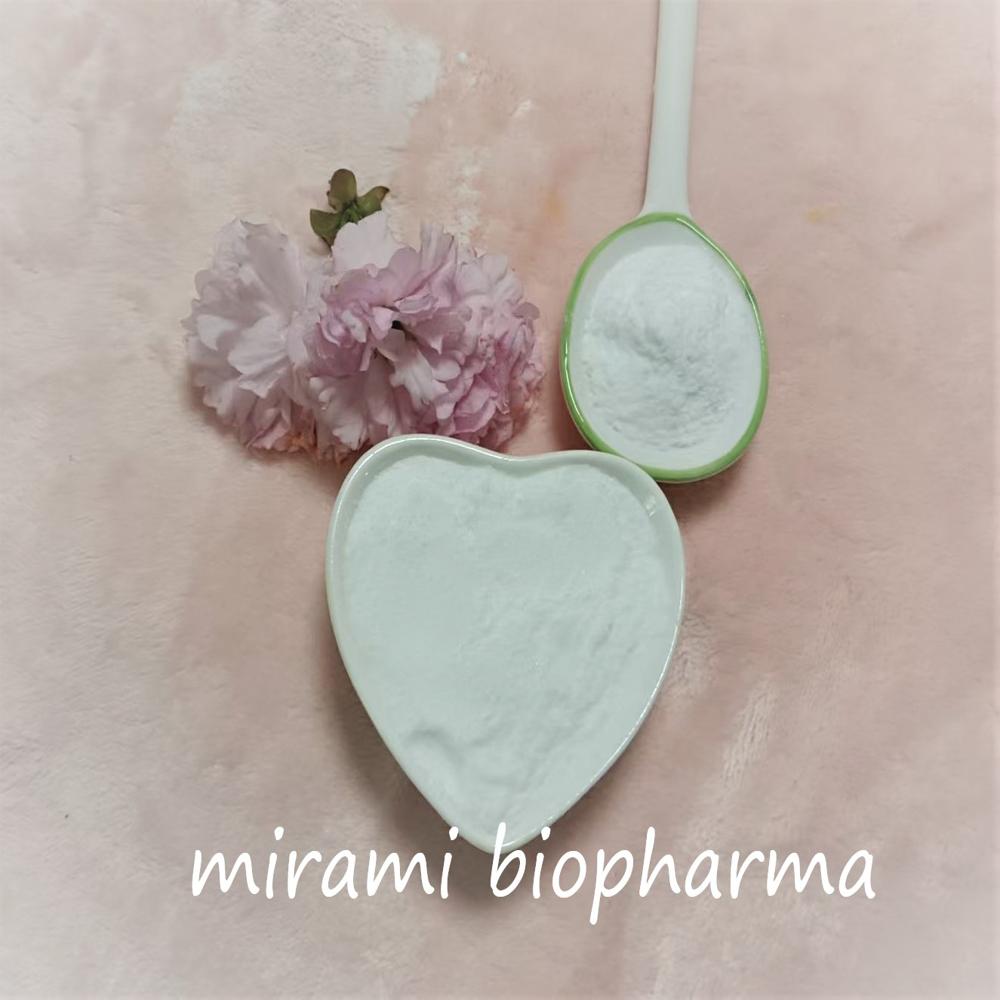
Price 25.0 USD ($) / Kilograms
Minimum Order Quantity : 25 Kilograms
Ingredients : vitamin B6
Recommended For : health supplement
Suitable For : Aged Person
Pacakaging (Quantity Per Box) : 25kg/box
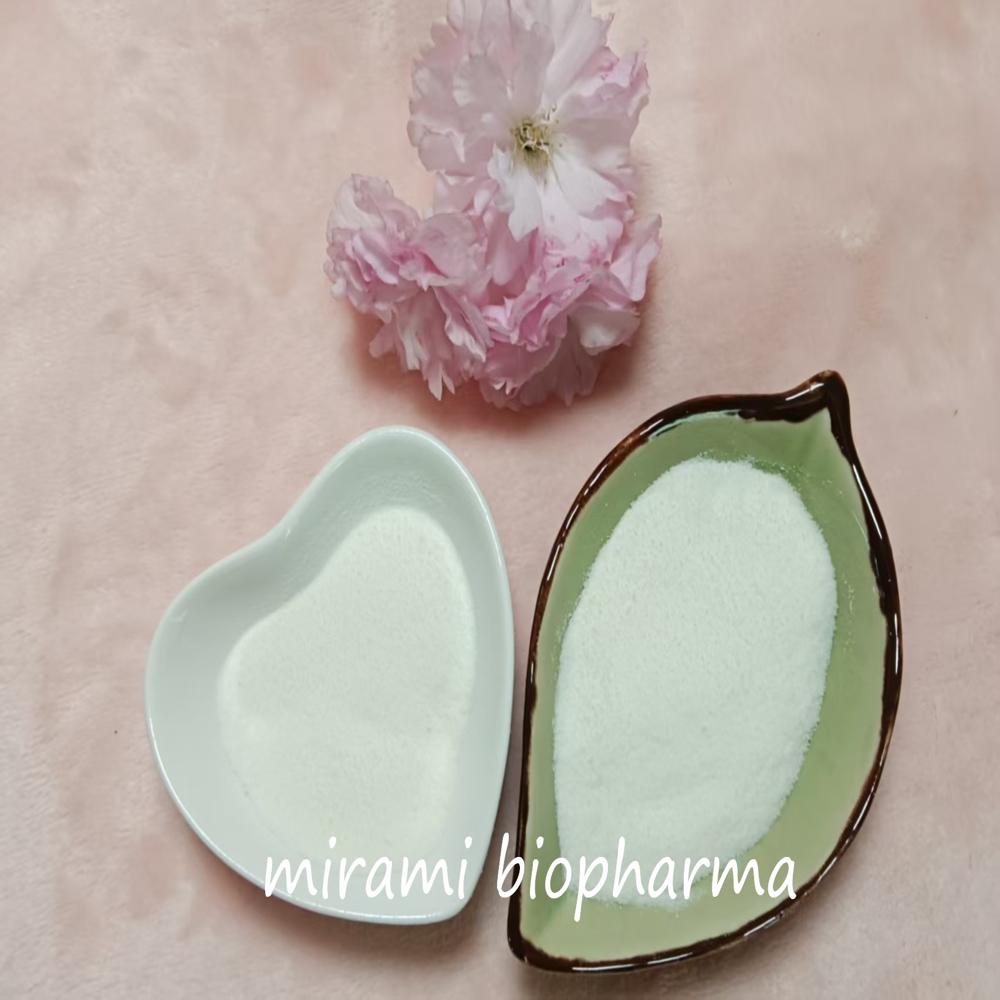
Price 6.0 USD ($) / Kilograms
Minimum Order Quantity : 100 Kilograms
Ingredients : Vitamin C
Recommended For : beauty
Pacakaging (Quantity Per Box) : 20KG/BOX






 Send Inquiry

 Send Inquiry